ROMA – L’astronauta Luca Parmitano e i suoi compagni di equipaggio della Soyuz sono entrati nella Stazione Spaziale Internazionale (Iss), dove a luglio il pilota sperimentatore dell’Aeronautica militare diventerà il primo italiano a compiere una passeggiata spaziale.
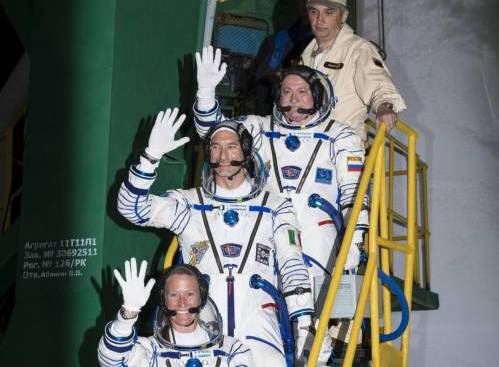
Parmitano, 36 anni, sposato e padre di due bambine, resterà per sei mesi in orbita a bordo della Stazione, nell’ambito della missione Volare dell’Agenzia spaziale italiana (Asi). “Ciao mamma”, sono state le prime parole dell’astronauta italiana a bordo della Iss dove ha raggiunto, insieme al comandante russo della Soyuz Fyodor Yurchichin e all’americana Karen Nyberg, altri due russi, Pavel Vinogradov e Aleksandr Misurkin e l’americano Christopher Cassidy.
L’astronauta catanese è il quarto italiano a salire a bordo della Stazione spaziale internazionale. Per lui a luglio sono in programma almeno due passeggiate spaziali (Extra vehicular activity, Eva) ma è possibile che se ne renda necessaria una terza qualora vi fossero problemi per l’attracco del veicolo di rifornimento europeo (Atv). La Soyuz TMA-09M era partita nella tarda serata italiana dalla base russa di Baikonur, in Kazakhstan e si è agganciata alla Iss alle 4 del mattino ora italiana, dopo un volo record di meno di sei ore grazie ll’uso di una rotta breve che finora veniva evitata perché più impegnativa per il fisico dei membri dell’equipaggio. Questa missione “ci fara’ capire come lo spazio contribuirà a cambiare il nostro nmodo di vivere”, ha sottolineato il ministro della Difesa, Mario Mauro. “Siamo molto orgogliosi degli astronauti italiani dell’Esa”, ha commentato il direttore dei voli umani dell’Agenzia spaziale europea (Esa), Thomas Reiter. “Nello spazio l’Europa funziona e fornisce un buon esempio dei risultati che si possono raggiungere con la collaborazione internazionale”, ha osservato Reiter.
Il momento del lancio della Soyuz (foto LaPresse)
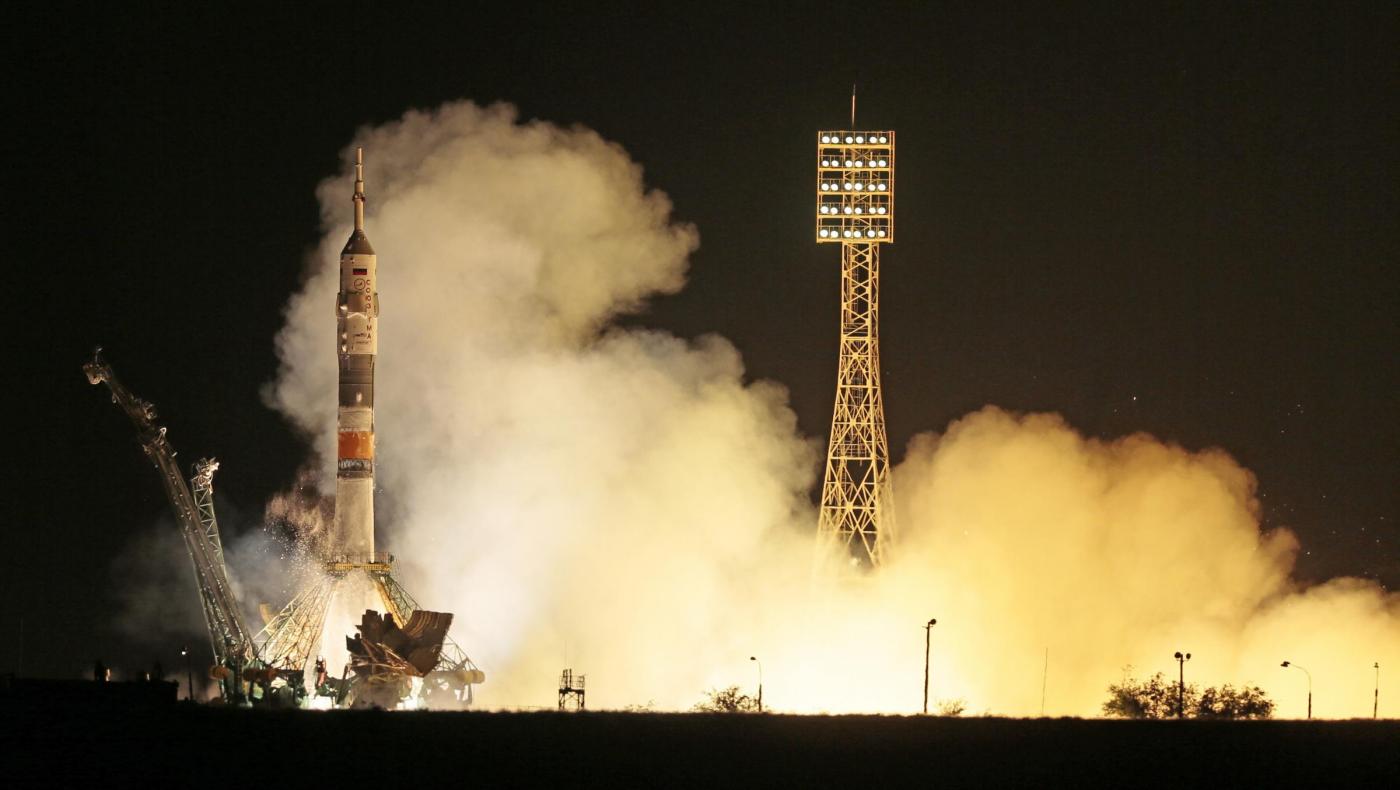 The Soyuz-FG rocket booster with Soyuz TMA-09M space ship carrying a new crew to the International Space Station, ISS, blasts off at the Russian leased Baikonur cosmodrome, Kazakhstan, Wednesday, May 29, 2013. The Russian rocket carries U.S. astronaut Karen Nyberg, Russian cosmonaut Fyodor Yurchikhin, and European Space Agency astronaut Luca Parmitano. (AP Photo/Mikhail Metzel)
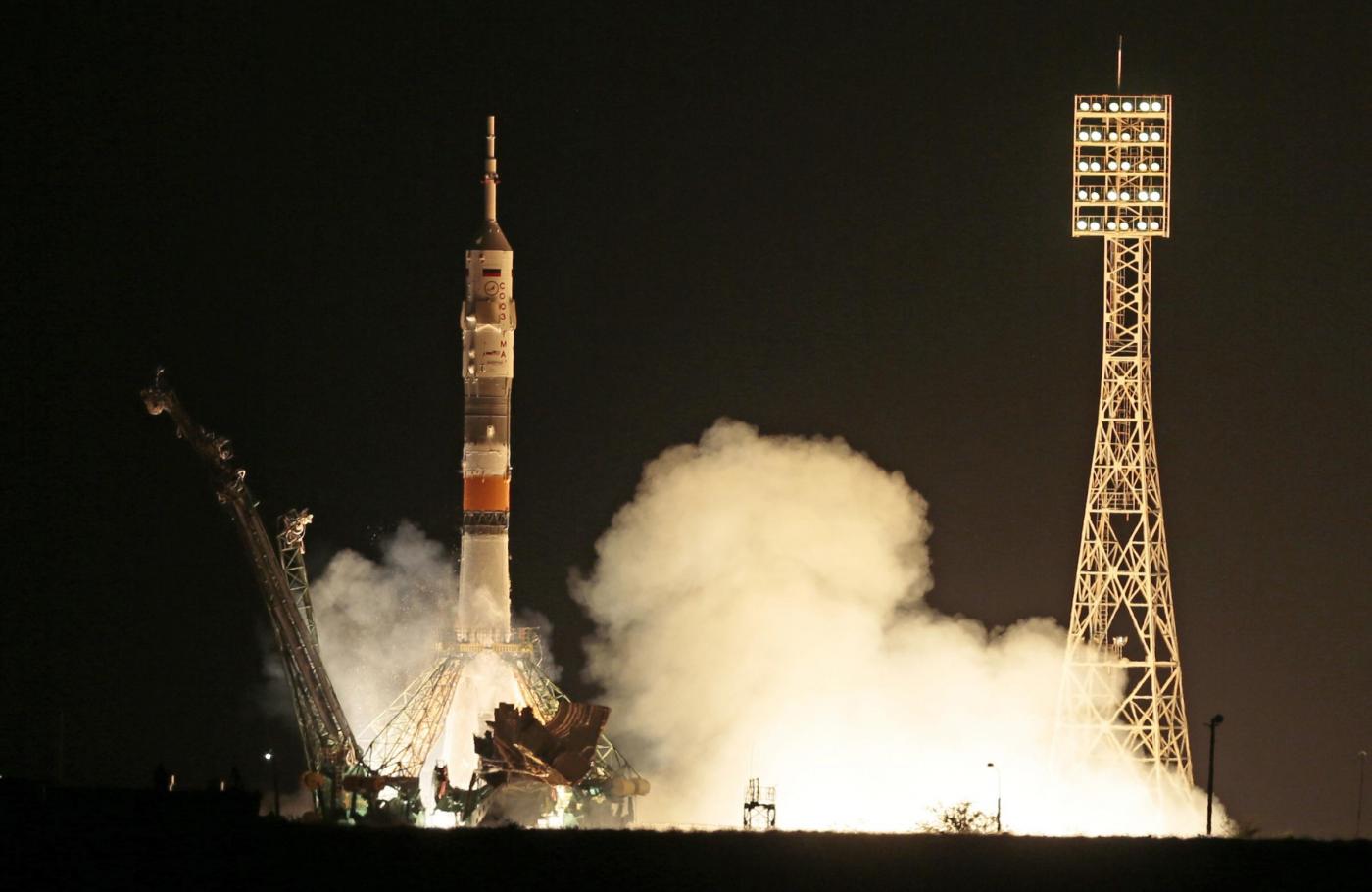 The Soyuz-FG rocket booster with Soyuz TMA-09M space ship carrying a new crew to the International Space Station, ISS, blasts off at the Russian leased Baikonur cosmodrome, Kazakhstan, Wednesday, May 29, 2013. The Russian rocket carries U.S. astronaut Karen Nyberg, Russian cosmonaut Fyodor Yurchikhin, and European Space Agency astronaut Luca Parmitano. (AP Photo/Mikhail Metzel)
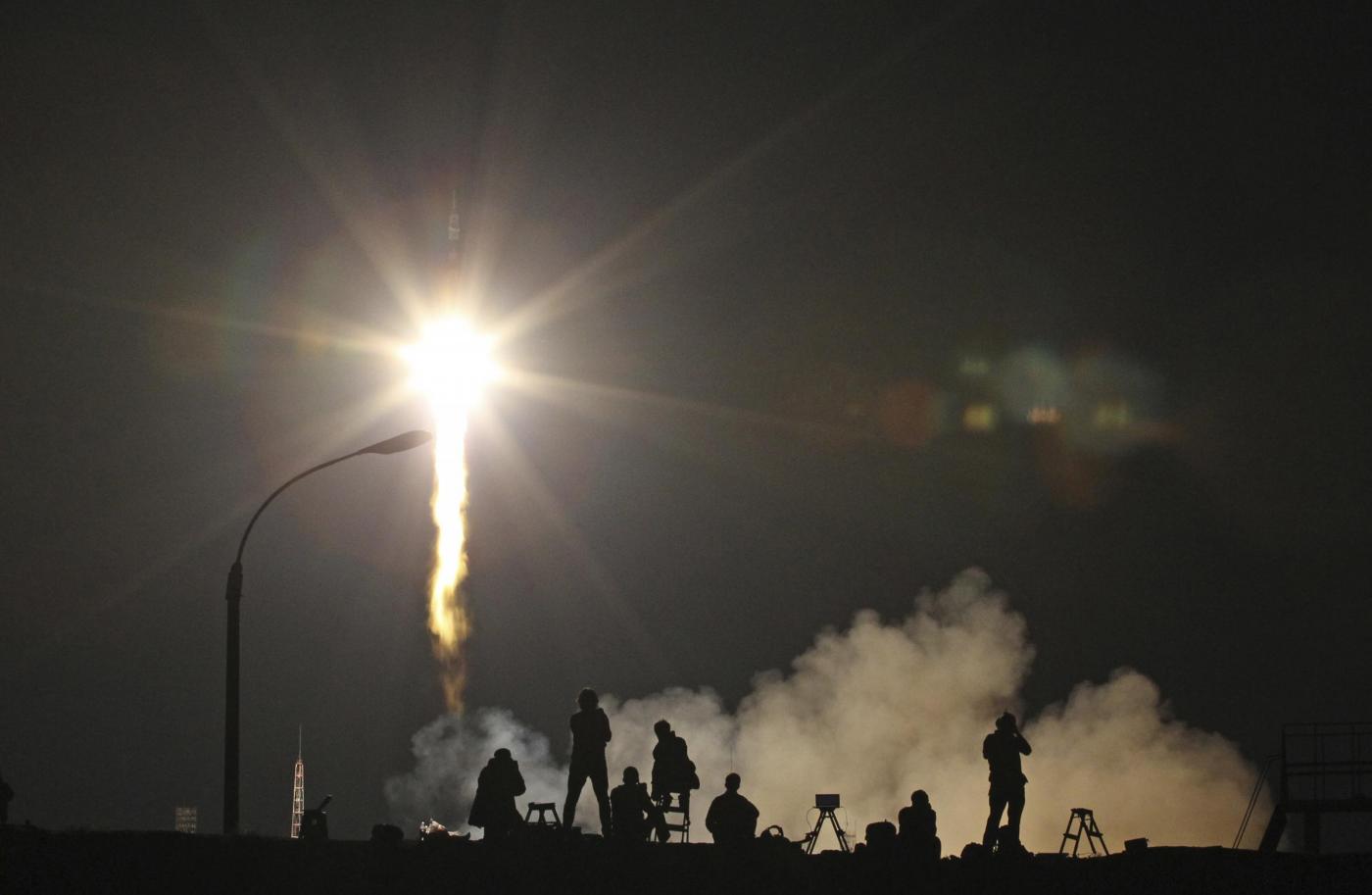 Photographers take pictures of the launch of Soyuz-FG rocket booster with Soyuz TMA-09M space ship carrying a new crew to the International Space Station, ISS, as it blasted off at the Russian leased Baikonur cosmodrome, Kazakhstan, Wednesday, May 29, 2013. The Soyuz carrying an American, Russian and Italian blasted off Wednesday for a six-hour trip to the International Space Station, where the new crew will spend six months conducting a variety of experiments. (AP Photo/Mikhail Metzel)
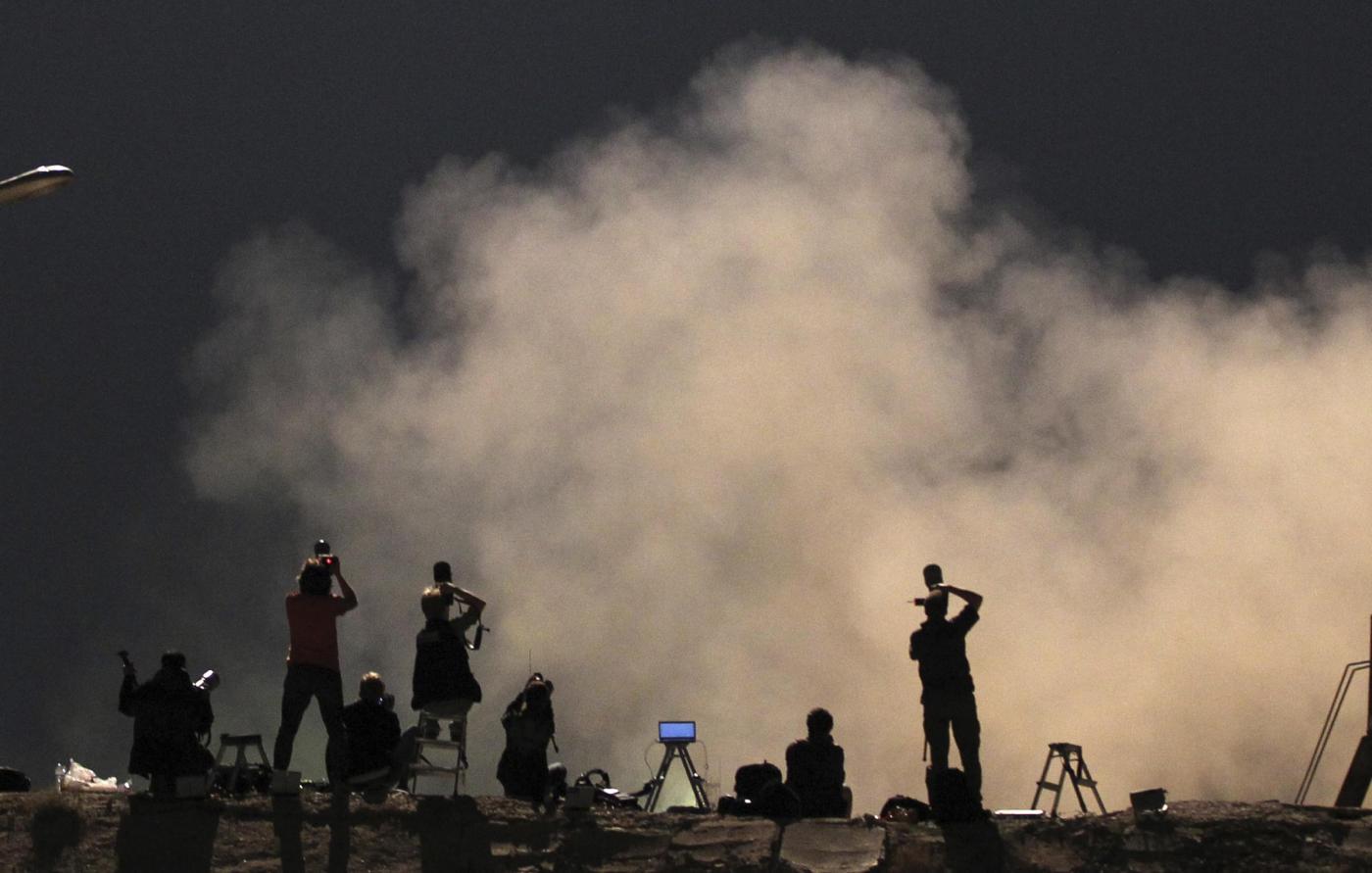 Photographers take pictures of the launch of Soyuz-FG rocket booster with Soyuz TMA-09M space ship carrying a new crew to the International Space Station, ISS, as it blasted off at the Russian leased Baikonur cosmodrome, Kazakhstan, Wednesday, May 29, 2013. The Soyuz carrying an American, Russian and Italian blasted off Wednesday for a six-hour trip to the International Space Station, where the new crew will spend six months conducting a variety of experiments. (AP Photo/Mikhail Metzel)
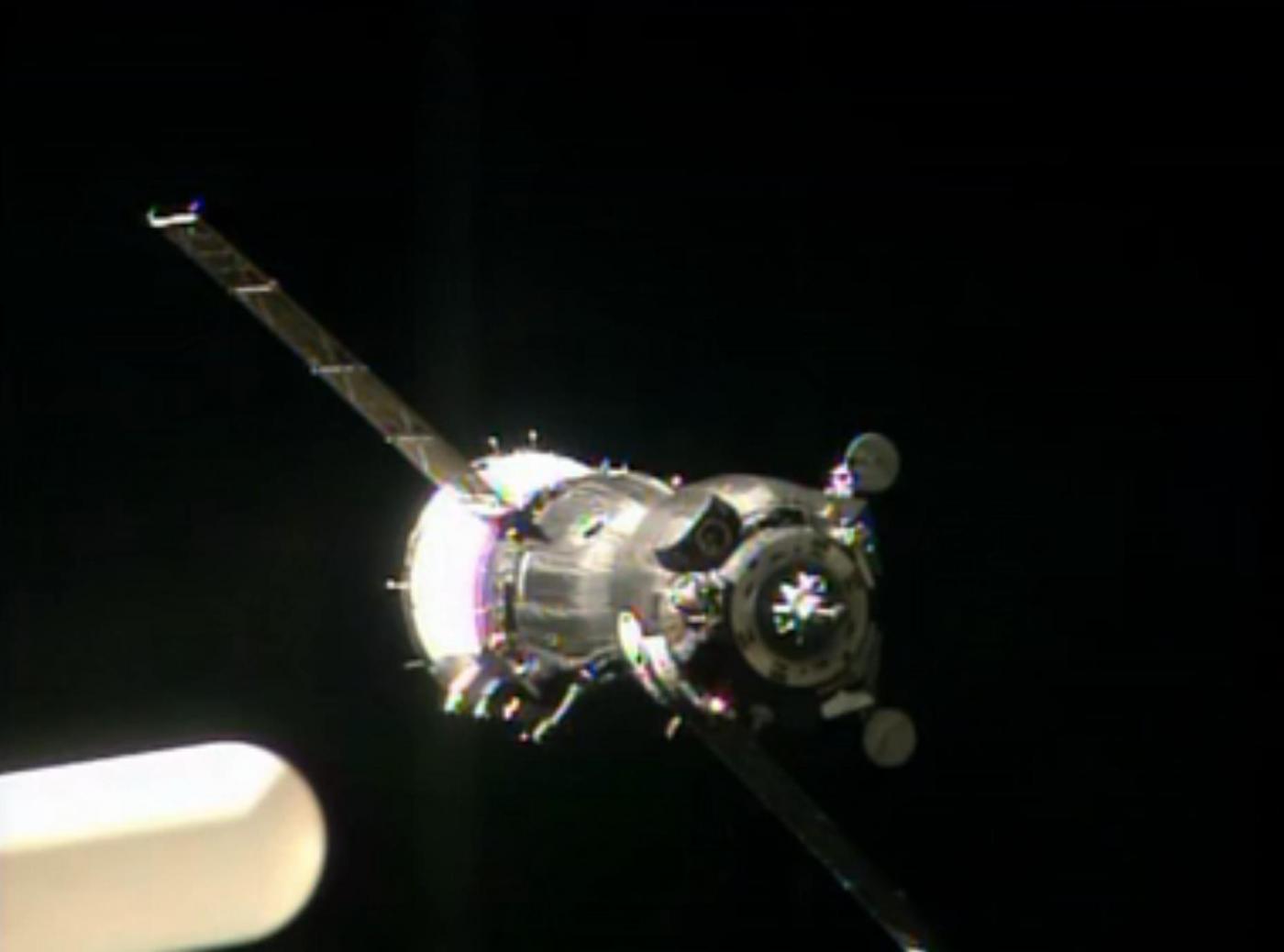 In this image taken from video provided by NASA, the Soyuz TMA-09M carrying three new Expedition 36 crew members approaches the International Space Station Wednesday, May 29, 2013. The cramped capsule carrying NASA's Karen Nyberg, Russian cosmonaut Fyodor Yurchikhin and Italy's Luca Parmitano orbited the Earth four times before docking with the space station. (AP Photo/NASA-TV)