
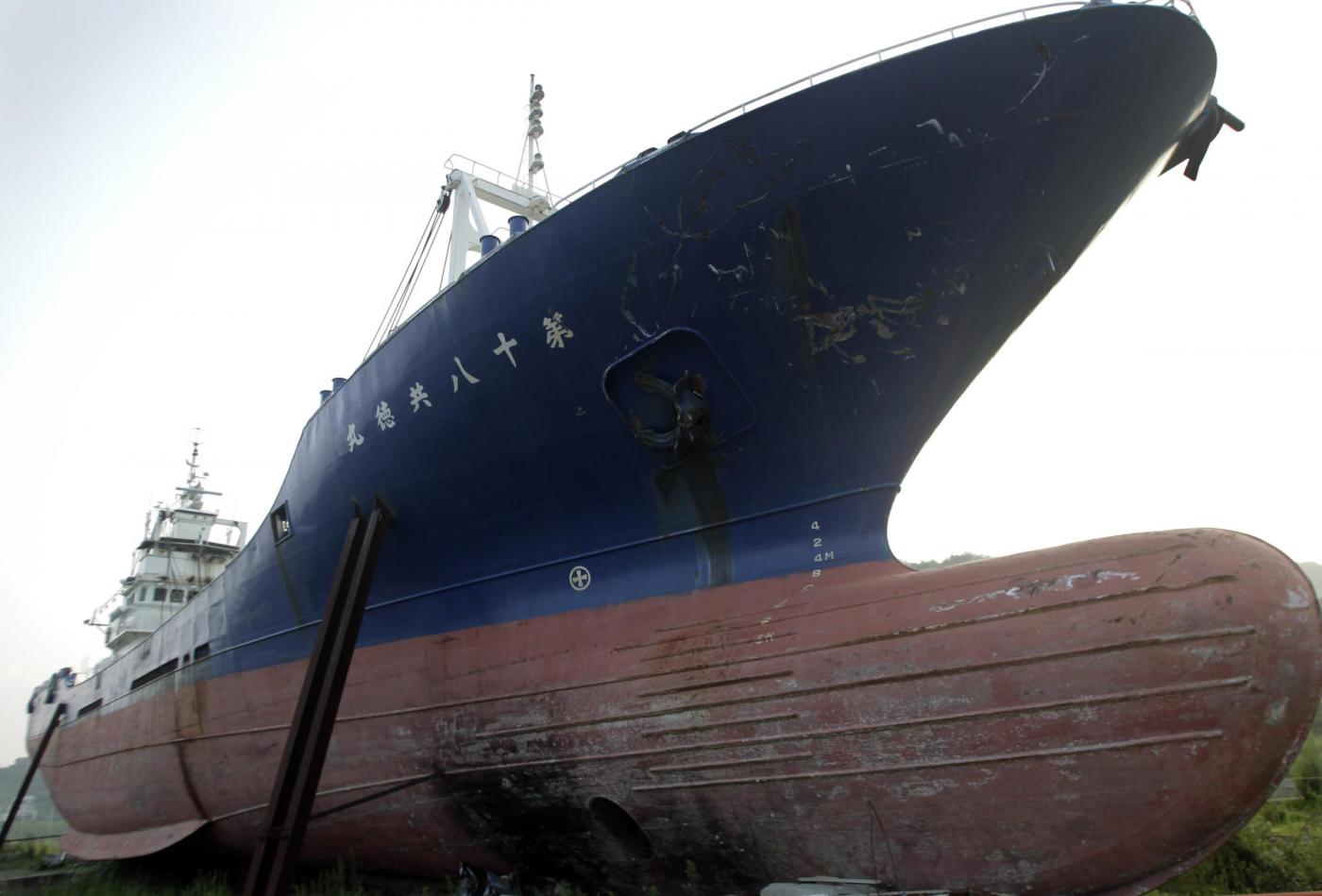
KESENNUMA (GIAPPONE) – Il peschereccio incagliato Kyotokumaru, divenuto simbolo della tragedia dello tsunami che ha colpito il Giappone l’11 marzo 2011, sarà distrutto. È quanto ha deciso la città di Kesennuma che ha rimesso nelle mani dei cittadini il futuro della nave, lunga 60 metri e dal peso di 330 tonnellate. Alcuni, tra cui il sindaco Shigeru Sugawara, avrebbero voluto preservarla come monumento del dolore. Altri volevano solo che quel dolore passasse, anche dalla vista. E così, dopo il voto, la città ha annunciato che il peschereccio sarà smantellato. Su 14.083 persone interpellate, il 68% ha votato per questa opzione. Solo il 16% ha chiesto che venisse mantenuta al suo posto.
LA TRAGEDIA – Lo tsunami che fece seguito al terribile terremoto di magnitudo 9.0 uccise quasi 19mila persone e trascinò la barca da un molo fino all’area residenziale, per 750 metri, nella cittadina dove vivevano circa 70mila persone. Ancora oggi regolarmente la popolazione si reca sul posto per pregare e depositare dei fiori. Lo smantellamento inizierà nel giro di poche settimane. Dopo la tragedia, i detriti e gli edifici distrutti sono stati ripuliti e rimossi, ma la barca no, è lì da oltre due anni.
I PRO E I CONTRO – Yoshimi Abe, casalinga di 72 anni e residente della città, è tra coloro che hanno votato per sbarazzarsi della nave. “È solo un costante ricordo del terribile disastro. Quando cammino verso di essa ogni mattina, il mio cuore soffre”, commenta la donna. La casa dove lei è cresciuta da bambina è stata distrutta dallo tsunami e ora vive in una abitazione temporanea. Al contrario, Shigeru Saito, 80 anni, voleva preservare l’imbarcazione, vedendo in essa anche un motivo di attrazione. “Mio figlio – spiega – ha un negozio in un mercato temporaneo vicino a Kyotokumaru. Molti dei suoi clienti sono visitatori che arrivano da fuori e che si recano a vedere la nave.
LA RICOSTRUZIONE – Molti abitanti giapponesi, soprattutto i giovani, hanno paura di tornare a vivere nelle zone distrutte. Alcune aree rimarranno città fantasma per decenni, a causa delle radiazioni sprigionate dalla centrale nucleare di Fukushima Daiichi, gravemente danneggiata dal sisma e dallo tsunami. Per ora l’imbarcazione ancora svetta sui quartieri rasi al suolo ed è circondata da mazzi di fiori lasciati dalla popolazione. La gente prega e scatta foto. Alcuni la guardano soltanto. La compagnia di pesca Fukushima, proprietaria della Kyotokumaru, ha firmato un contratto con un’organizzazione no profit che ricicla le barche e che procederà all’operazione.
Dispiaciuto il sindaco Sugawara, che ha commentato: “Volevo lasciare un simbolo visibile di quanto avvenuto qui alle future generazioni. La decisione è stata presa e non c’è molto altro che possiamo fare”.
Le immagini della nave (foto Ap/LaPresse)
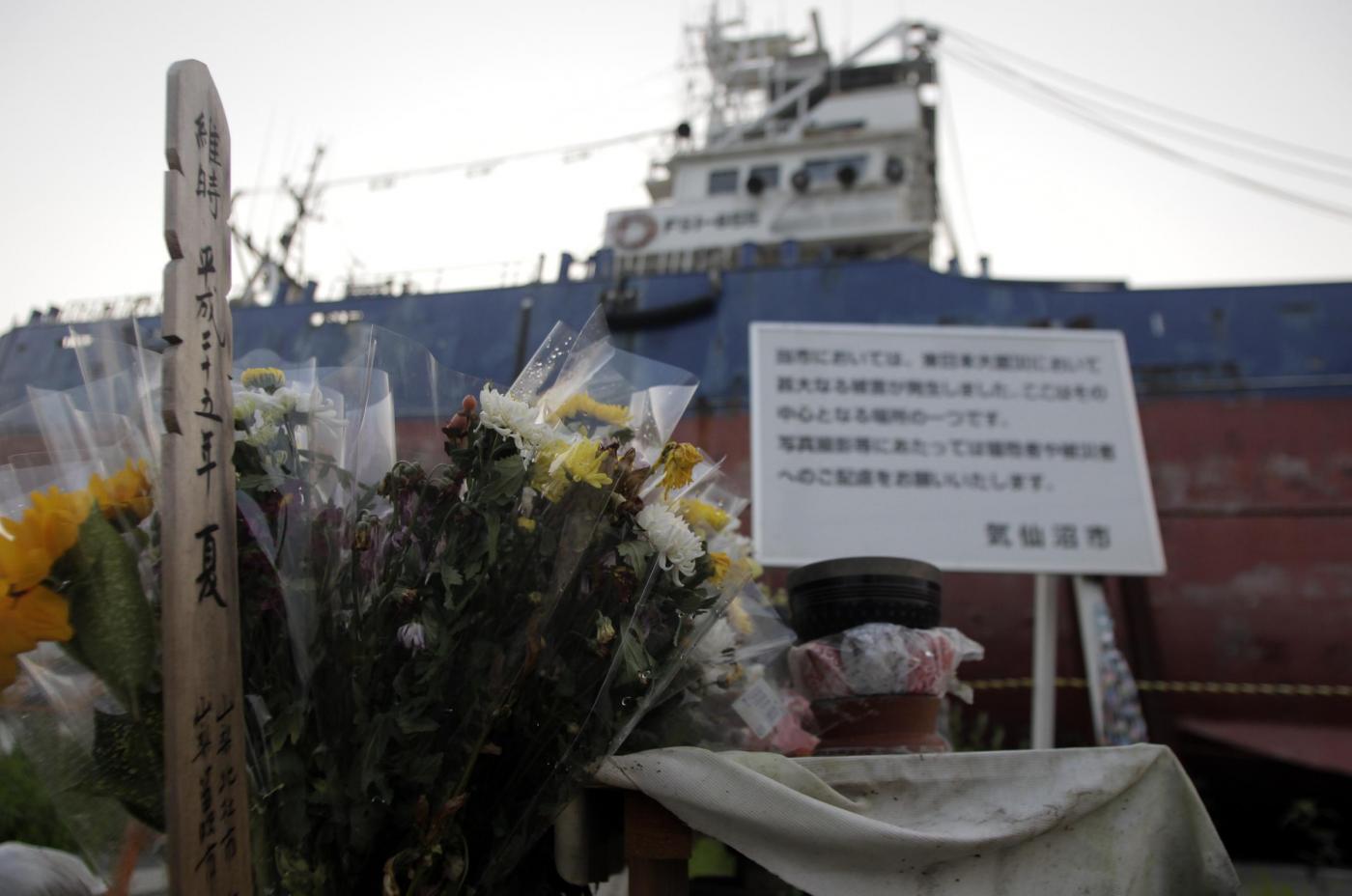 In this photo taken on Sunday Aug. 11, 2013, flowers and gifts are left by a stranded fishing boat standing in a residential district of Kesennuma, Miyagi prefecture, northern Japan. The boat, named Kyotokumaru has become a landmark, but city officials announced last week that it will be torn down. (AP Photo/Azusa Uchikura)
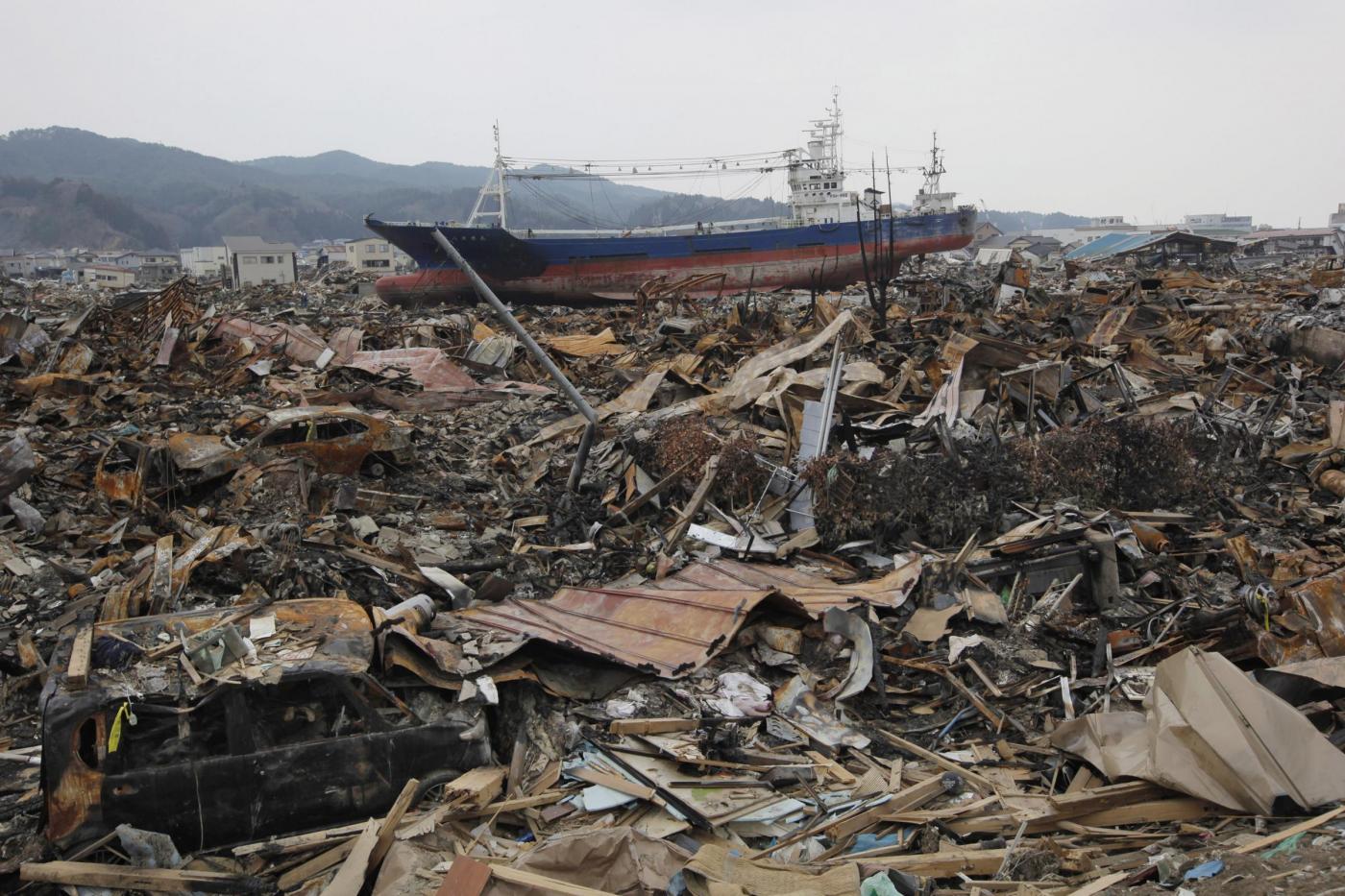 FILE - In this March 30, 2011 file photo, a beached ship sits among the rubble in a residential neighborhood after the March 11 earthquake and tsunami in Kesennuma in Miyagi prefecture, northern Japan. The stranded fishing boat that became a symbol of the devastation of Japan's 2011 tsunami has long divided a northeastern coastal city - between those who wanted to keep it as a monument of survival and those who wanted a painful reminder gone. Last week, the city announced it will be torn down after a heated debate and citywide vote. (AP Photo/Vincent Yu, File)
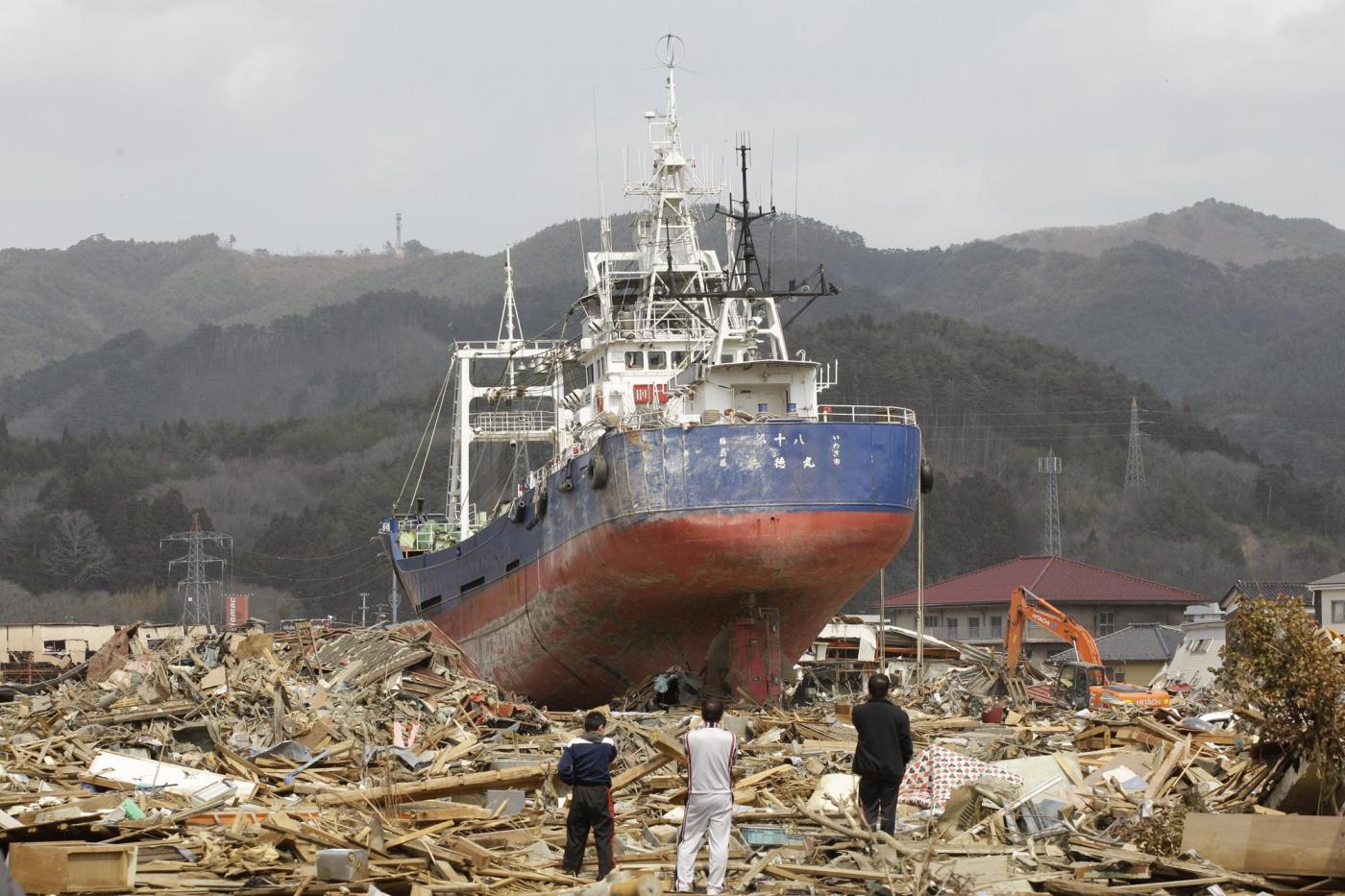 FILE - In this April 2, 2011 file photo, survivors look at a ship among the rubble at a March 11 earthquake and tsunami-destroyed area in Kesennuma, Miyagi prefecture, Japan. The stranded fishing boat that became a symbol of the devastation of Japan's 2011 tsunami has long divided a northeastern coastal city - between those who wanted to keep it as a monument of survival and those who wanted a painful reminder gone. Last week, the city announced it will be torn down after a heated debate and citywide vote. (AP Photo/Lee Jin-man, File)
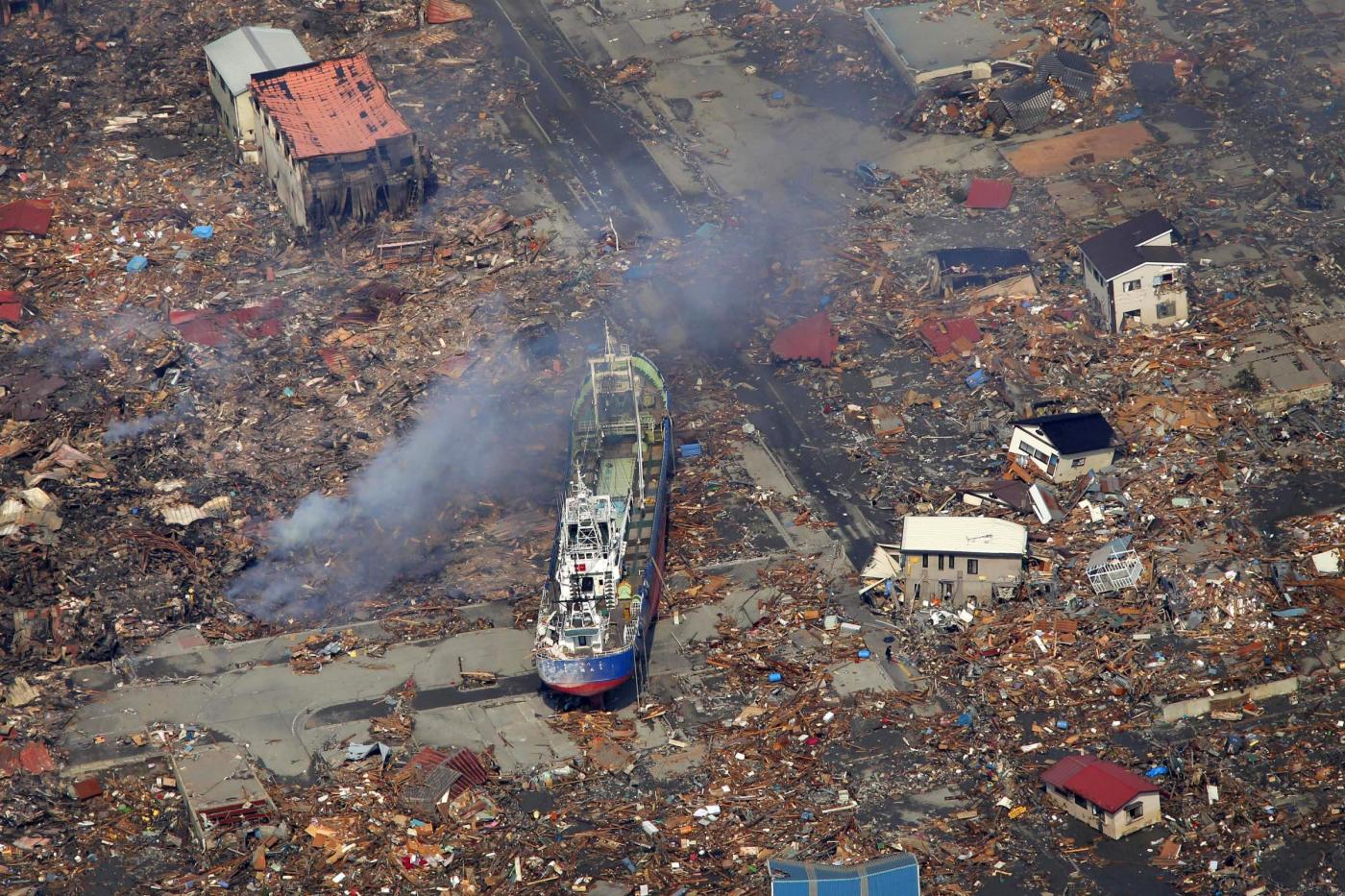 FILE - In this March 13, 2011 file photo, a ship washed away by a tsunami sits amid debris in Kesennuma, Miyagi Prefecture after Japan's biggest recorded earthquake hit its eastern coast. The stranded fishing boat that became a symbol of the devastation of Japan's 2011 tsunami has long divided a northeastern coastal city - between those who wanted to keep it as a monument of survival and those who wanted a painful reminder gone. Last week, the city announced it will be torn down after a heated debate and citywide vote. (AP Photo/Itsuo Inouye, File)
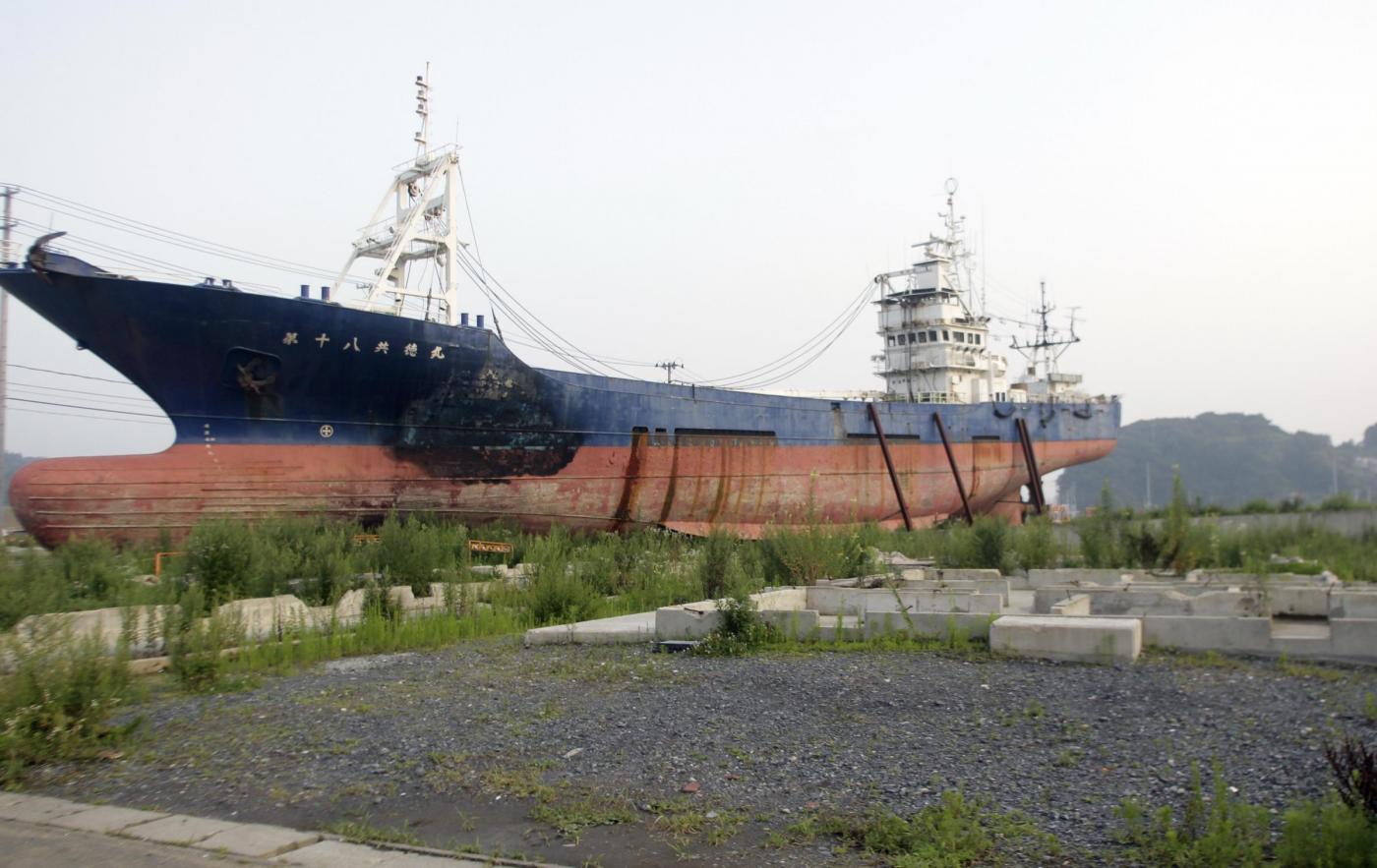 In this photo taken on Sunday Aug. 11, 2013, a stranded fishing boat stands in Kesennuma, Miyagi prefecture, northern Japan. City officials announced last week that the boat, which has become a symbol of the devastation of the disaster, will be torn down. (AP Photo/Azusa Uchikura)