
 LaPresse
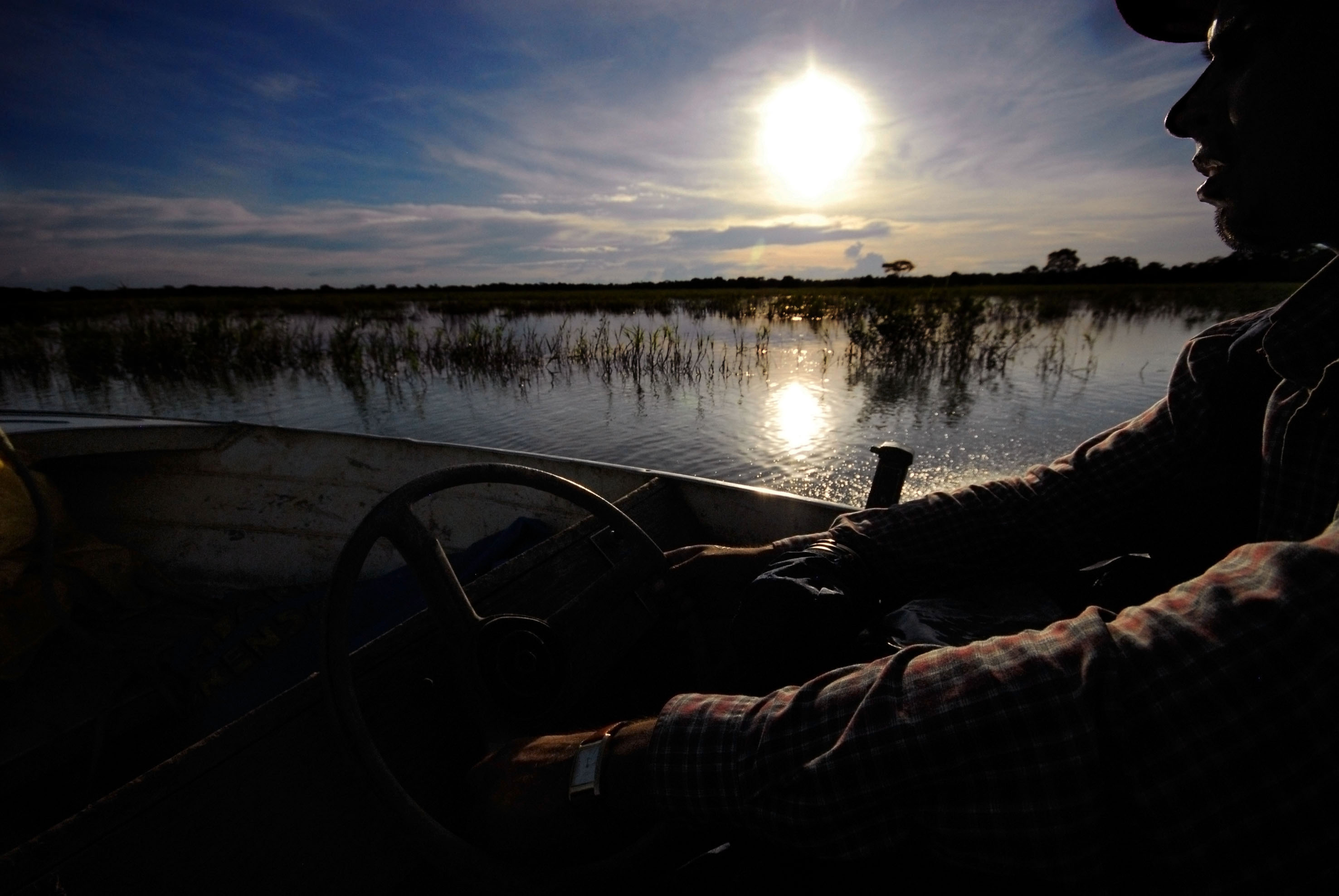
 RIO DE JANEIRO – Un ingegnere brasiliano di 65 anni in pensione è sopravvissuto 12 giorni in piena foresta amazzonica mangiando api e mosche. Lo ha raccontato lui stesso, in lacrime, ai suoi soccorritori.
Gileno Vieira da Rocha, questo il suo nome, si era perduto dopo essersi inoltrato in un’area boschiva del municipio di Apuì, nello Stato brasiliano di Amazonas. L’anziano ha detto di aver sofferto la fame, poiché non riusciva a trovare frutta né cacciare animali, dentro la fitta selva. Così si è visto costretto a inghiottire insetti per nutrirsi.
 LaPresse ©Ap Fuori Circuito/Lapresse
12-2009 Brasile
Esteri
Foresta amazzonica: disboscamento
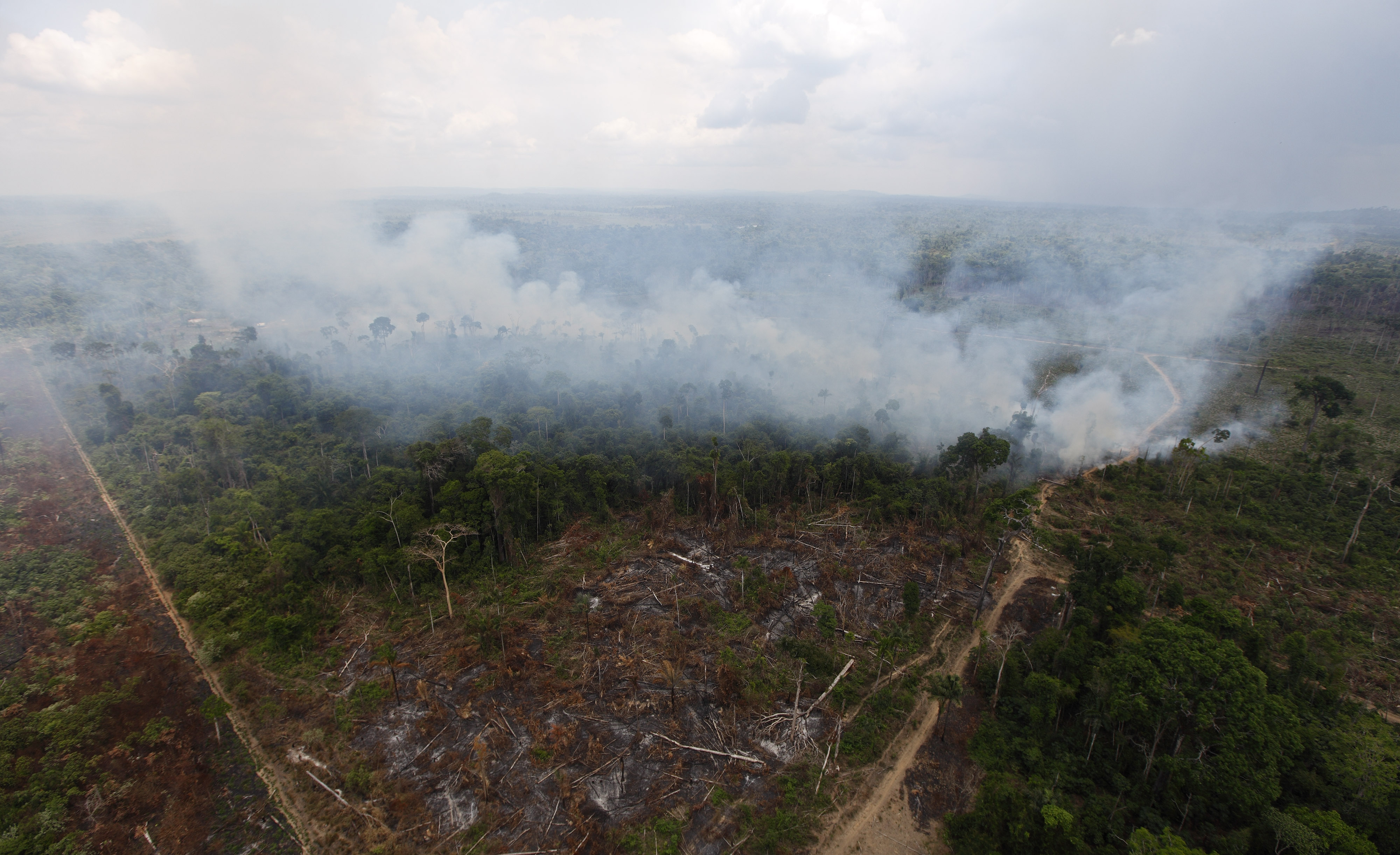
A deforested area burns near Novo Progresso in the northern state of Para, Brazil, Tuesday, Sept. 15, 2009. The Brazilian Amazon is arguably the world's biggest natural defense against global warming, acting as a "sink," or absorber, of carbon dioxide. But it is also a great contributor to warming. About 75 percent of Brazil's emissions come from rainforest clearing, as vegetation burns and felled trees rot. (AP Photo/Andre Penner)
LaPresse ©Ap Fuori Circuito/Lapresse
12-2009 Brasile
Esteri
Foresta amazzonica: disboscamento
A deforested area burns near Novo Progresso in the northern state of Para, Brazil, Tuesday, Sept. 15, 2009. The Brazilian Amazon is arguably the world's biggest natural defense against global warming, acting as a "sink," or absorber, of carbon dioxide. But it is also a great contributor to warming. About 75 percent of Brazil's emissions come from rainforest clearing, as vegetation burns and felled trees rot. (AP Photo/Andre Penner) Gileno Vieira da Rocha
 LaPresse ©Ap Fuori Circuito/Lapresse
12-2009 Brasile
Esteri
Foresta amazzonica: disboscamento
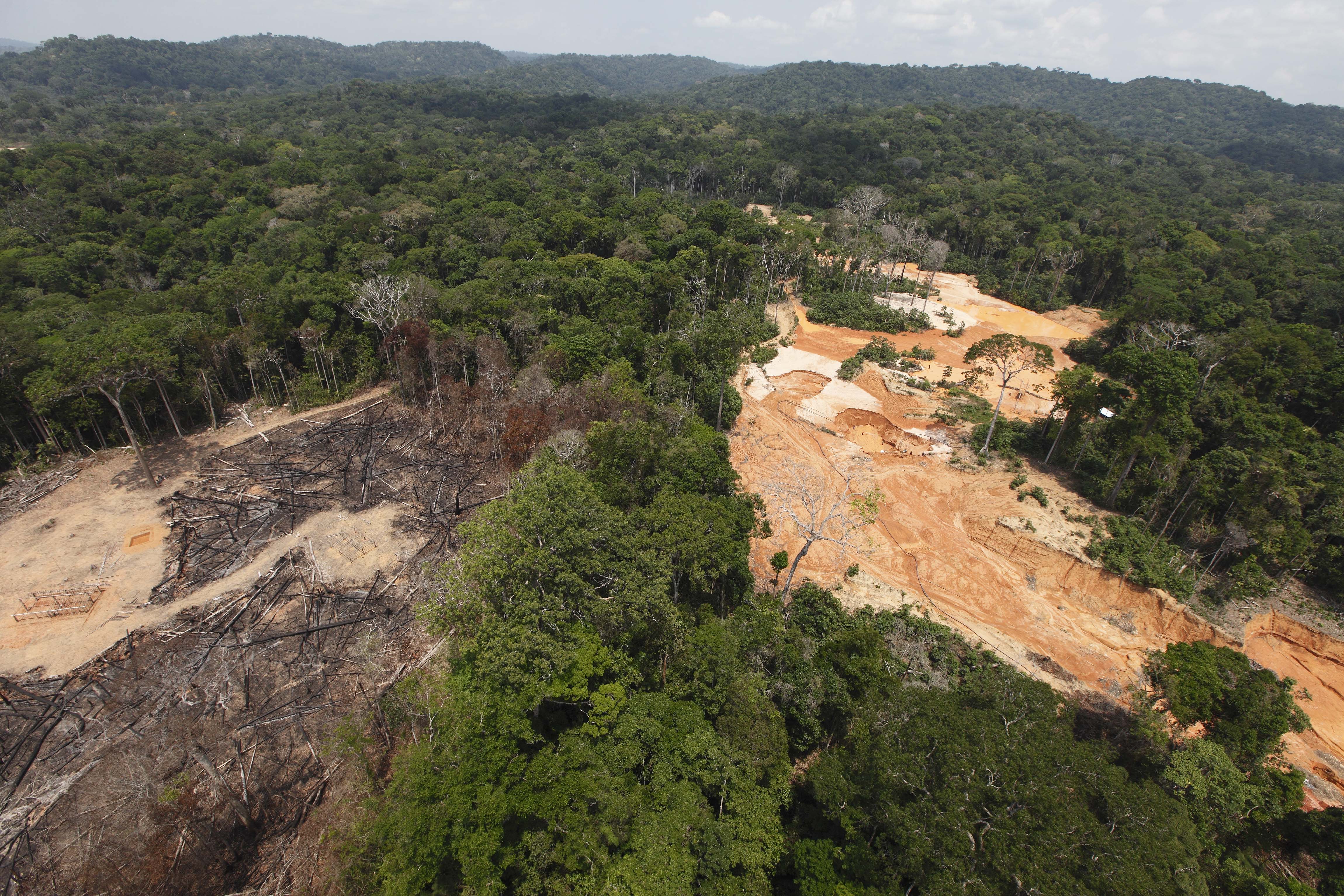
An illegal gold mine is seen inside a national park near Novo Progresso in the northern state of Para, Brazil, Tuesday, Sept. 15, 2009. The Brazilian Amazon is arguably the world's biggest natural defense against global warming, acting as a "sink," or absorber, of carbon dioxide. But it is also a great contributor to warming. About 75 percent of Brazil's emissions come from rainforest clearing, as vegetation burns and felled trees rot. (AP Photo/Andre Penner)
LaPresse ©Ap Fuori Circuito/Lapresse
12-2009 Brasile
Esteri
Foresta amazzonica: disboscamento
An illegal gold mine is seen inside a national park near Novo Progresso in the northern state of Para, Brazil, Tuesday, Sept. 15, 2009. The Brazilian Amazon is arguably the world's biggest natural defense against global warming, acting as a "sink," or absorber, of carbon dioxide. But it is also a great contributor to warming. About 75 percent of Brazil's emissions come from rainforest clearing, as vegetation burns and felled trees rot. (AP Photo/Andre Penner)